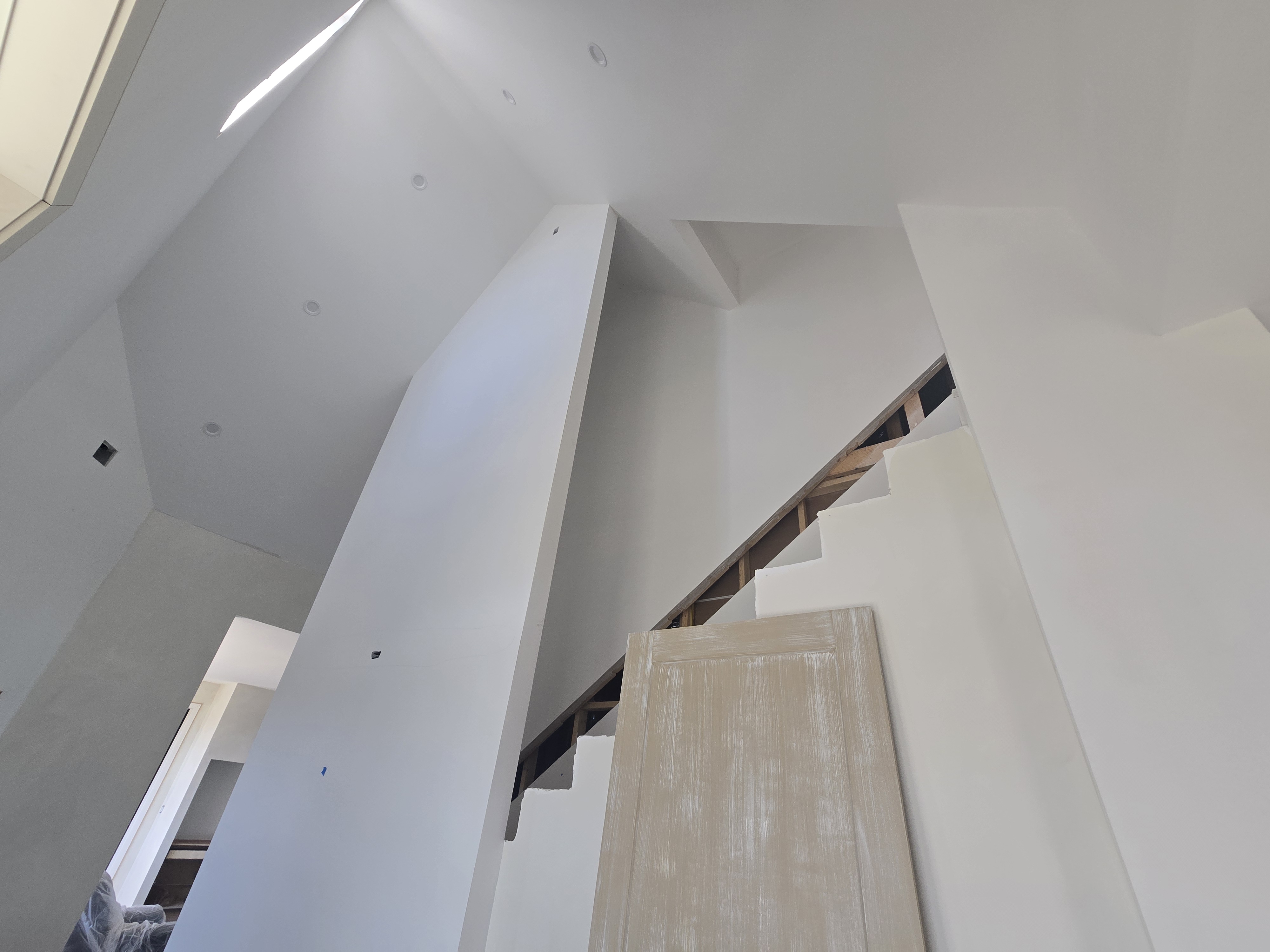
Choosing the Right Drywall for Your Home Renovation Project Jan 04, 2026
Drywall, also known as gypsum board, is a staple in modern construction due to its ease of installation and versatility. When selecting drywall, consider the specific needs of each space within your home. The most common type is standard drywall, which is ideal for most rooms. It is cost-effective and provides a smooth surface for painting or wallpaper. However, for areas exposed to moisture, such as bathrooms and kitchens, moisture-resistant drywall, commonly referred to as green board, should be your go-to option. It contains a special waxed surface that repels moisture, preventing mold growth and maintaining structural integrity.
Another specialized type is fire-resistant drywall, often used in areas where fire safety is a priority, like garages and ceilings adjacent to lofts. Fire-resistant drywall is thicker and is designed to slow down the spread of fire, providing crucial extra minutes for evacuation in case of an emergency.
For those focusing on both aesthetics and acoustics, soundproof drywall is an excellent choice. This type reduces noise transmission between rooms, creating a more serene home environment. It is particularly valuable in home offices or media rooms where external noise can be a distraction.
When it comes to installation, the thickness of the drywall is another vital consideration. Standard drywall comes in various thicknesses, with 1/2 inch being the most common for interior walls. However, 5/8 inch drywall is recommended for those seeking enhanced soundproofing and fire resistance. The latter is particularly beneficial in multi-story homes where noise from upper floors can be an issue.
The environmental impact of your renovation project might also influence your choice of drywall. Eco-friendly options, such as recycled drywall, are available and contribute to sustainable building practices without compromising quality. These options often contain a percentage of recycled paper or gypsum, reducing the need for new raw materials.
Color is another factor to keep in mind. While most drywall has a standard greyish-white finish, you can opt for pre-primed or color-tinted boards, making the painting process quicker and often resulting in better paint adhesion.
In conclusion, choosing the right drywall for your renovation project involves evaluating the specific needs of each area in your home. By considering factors such as moisture levels, fire safety, sound insulation, and environmental impact, you can select a drywall that meets your functional and aesthetic goals. At Johnson Drywall & Paint, our team of experts is always available to assist you in navigating these choices, ensuring that your renovation project is a triumph of both form and function. Now, with the right drywall in hand, you can confidently move forward and see your home renovation dream come to life.
/filters:no_upscale()/filters:format(webp)/media/e336e52c-2c26-427f-b92a-1adf46111ff7.jpeg)
/filters:no_upscale()/filters:format(webp)/media/eb023f60-1b03-47f6-8b10-4a7ddee77469.jpg)