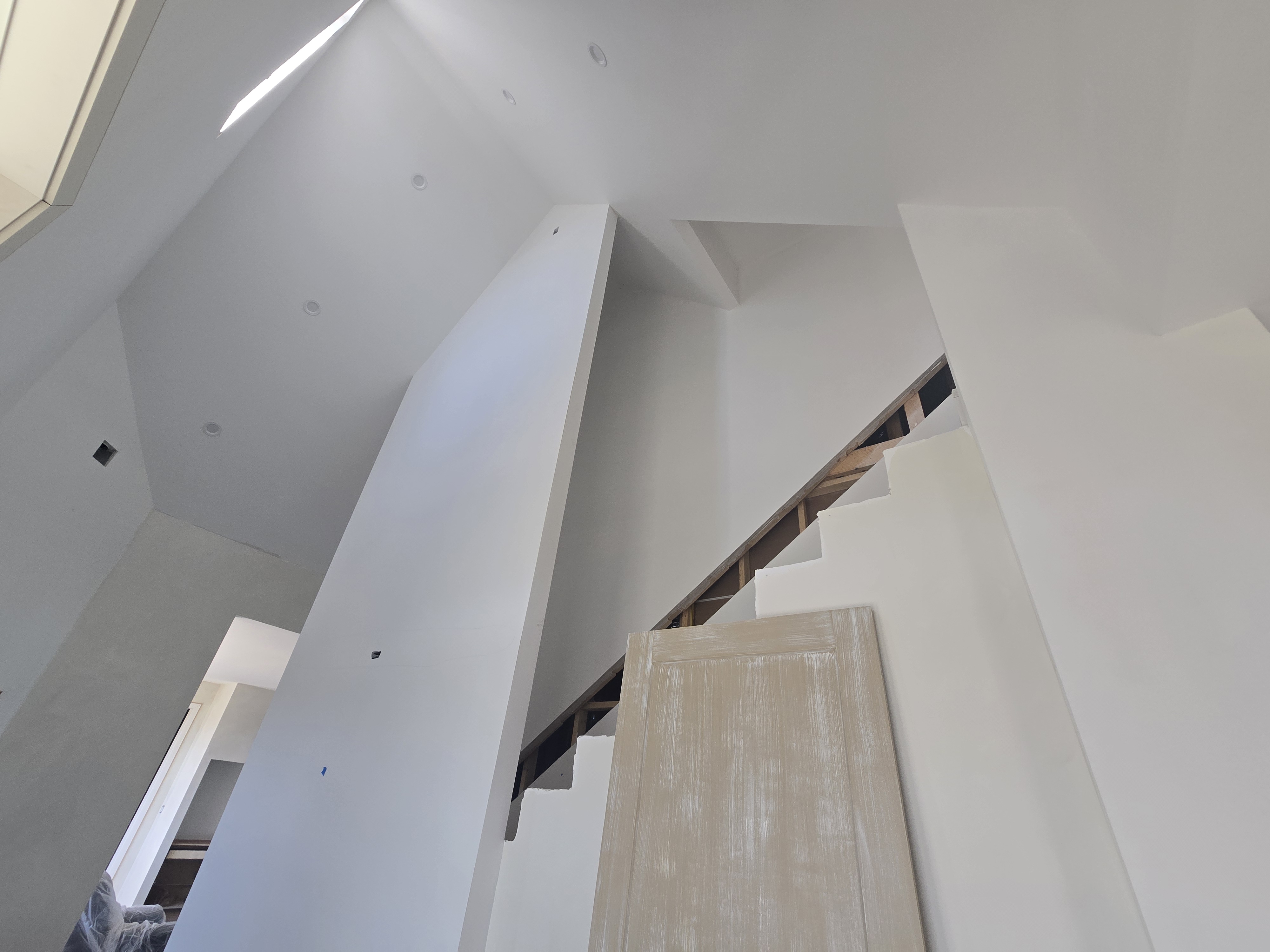
Choosing the Right Drywall Thickness for Your Renovation Project Jan 13, 2026
Understanding Drywall Thickness Options
Drywall, also known as gypsum board or plasterboard, comes in several thickness options, each suited for different applications. Common drywall thicknesses include 1/4-inch, 3/8-inch, 1/2-inch, and 5/8-inch. Knowing the differences and the ideal conditions for each type is essential.
1/4-inch drywall is the thinnest option, often used for creating curved surfaces or layering over existing walls. It’s not suitable for standalone installations due to its fragility but is perfect for renovation scenarios where minimal weight is crucial.
3/8-inch drywall, while slightly thicker, is still relatively thin and generally used for layering. It can also be employed in situations where limited space constrains the use of thicker drywall. However, its lesser thickness means it’s not as sturdy as thicker alternatives.
1/2-inch drywall is the most common choice for interior walls and ceilings. It offers a good balance between cost and durability, making it suitable for most residential projects. This thickness provides adequate support for wall fixtures and is easy to handle and install.
5/8-inch drywall is the thickest among the standard options. Primarily used for ceilings and walls requiring enhanced soundproofing and fire resistance, it is an excellent choice for commercial buildings or rooms where additional safety and noise reduction are priorities.
Factors to Consider When Choosing Drywall Thickness
Selecting the right drywall thickness involves considering several critical factors. Firstly, consider the purpose of the space. For sound-sensitive areas, such as home theaters or bedrooms, a thicker drywall option like the 5/8-inch variety can provide better sound insulation.
Next, take into account the building codes and regulations specific to your location. Some regions may require a specific drywall thickness to meet fire safety standards, particularly for ceilings. It's essential to check local codes to ensure compliance and safety.
Additionally, evaluate the structural capacity of your framework. Thicker drywall panels add weight, so ensure that the wall or ceiling structure can support it without compromising integrity.
Consulting with professionals is always beneficial. At Johnson Drywall & Paint, our experts can provide personalized recommendations based on your project's unique specifications and budget considerations.
Installation and Final Touches
Once you have determined the appropriate drywall thickness, proper installation ensures a smooth, long-lasting finish. Seamless joints and careful handling during installation help prevent future issues such as cracks or sagging.
Subsequent steps, including taping, mudding, and sanding, are crucial to achieving a professional appearance. These steps prepare the drywall for the final touches, whether it involves painting or wallpapering, enhancing the overall look of the room.
In Conclusion
Choosing the right drywall thickness for your renovation project is essential in achieving a successful outcome. By understanding the different options and evaluating the specific needs of your space, you can make an informed decision that enhances both the functionality and aesthetic appeal of your renovation. At Johnson Drywall & Paint, we are committed to providing expert guidance and high-quality materials. Contact us to learn more or to schedule a consultation for your upcoming project.
/filters:no_upscale()/filters:format(webp)/media/e336e52c-2c26-427f-b92a-1adf46111ff7.jpeg)
/filters:no_upscale()/filters:format(webp)/media/eb023f60-1b03-47f6-8b10-4a7ddee77469.jpg)