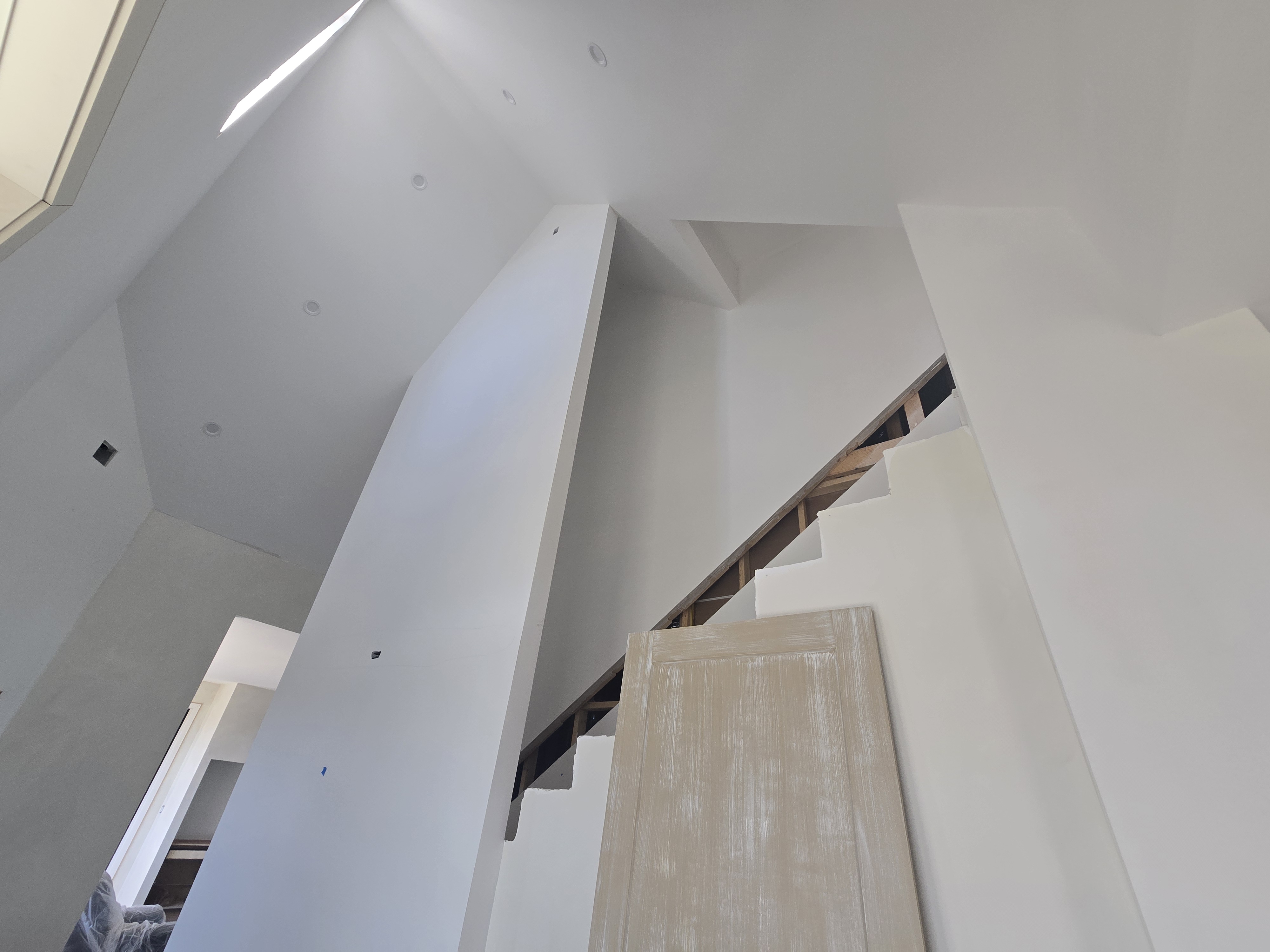
Seamless Transitions: How to Smoothly Blend New and Existing Drywall Feb 27, 2026
Whether you're a DIY enthusiast or considering professional assistance, the first step is understanding the importance of preparation. Proper planning is crucial in achieving an even and cohesive look between new and existing drywall. Begin by assessing the condition of the current walls, addressing any damages, holes, or irregularities. Sanding these areas will not only prepare them for blending but also help in identifying level discrepancies that could affect the final outcome.
Once the surface is prepared, it’s important to select the right type of joint compound. Lightweight compounds are typically recommended due to their ease of application and smooth finish. Ensure that the compound is applied generously over the joints where the new and existing drywall meet. Using a wide drywall knife, feather the compound across the joint, gradually decreasing pressure as you move away from the seam. This technique helps create a gradual transition that is crucial for a seamless look.
One common challenge when blending drywall is color consistency, especially if you want the new section to match the existing paint. Start by applying a primer to both new and old sections of the wall. This step aligns the surface texture and absorbs the paint consistently. Johnson Drywall & Paint advises using a tinted primer that is close to the final paint color to minimize the number of coats required. When selecting the final paint, consider using the same batch or brand as the existing wall to ensure consistency.
For best results, blending drywall requires patience and precision, particularly when sanding between compound layers. A smooth finish is vital for concealing seams. Conduct multiple inspections under different lighting conditions to catch any shadowing or imperfections. Sand with a fine-grit sandpaper, and exercise patience to avoid removing too much compound, which could expose the tape underneath.
If DIY becomes overwhelming or results fall short of expectations, consulting professionals like those at Johnson Drywall & Paint could prove beneficial. Professionals bring an eye for detail and hands-on experience, ensuring a superior finish. They are equipped with advanced tools and techniques to handle even the most complex transitions efficiently.
Finally, once the new paint has been applied and has dried completely, take a step back and examine the overall appearance. The goal is a seamless, even transition that smoothly integrates the new drywall with the existing structure. With meticulous attention to detail and a step-by-step approach, a perfect blend is well within reach.
In conclusion, seamlessly blending new and old drywall is a rewarding project that not only enhances the aesthetic quality of your home but also its structural integrity. Whether going the DIY route or seeking professional help, attention to detail and proper technique are key. By following these guidelines, you can achieve a flawless finish that will stand the test of time and elevate the appeal of your living space.
/filters:no_upscale()/filters:format(webp)/media/e336e52c-2c26-427f-b92a-1adf46111ff7.jpeg)
/filters:no_upscale()/filters:format(webp)/media/eb023f60-1b03-47f6-8b10-4a7ddee77469.jpg)